
Camino de Santiago Packing List: The Definitive Guide (2026)
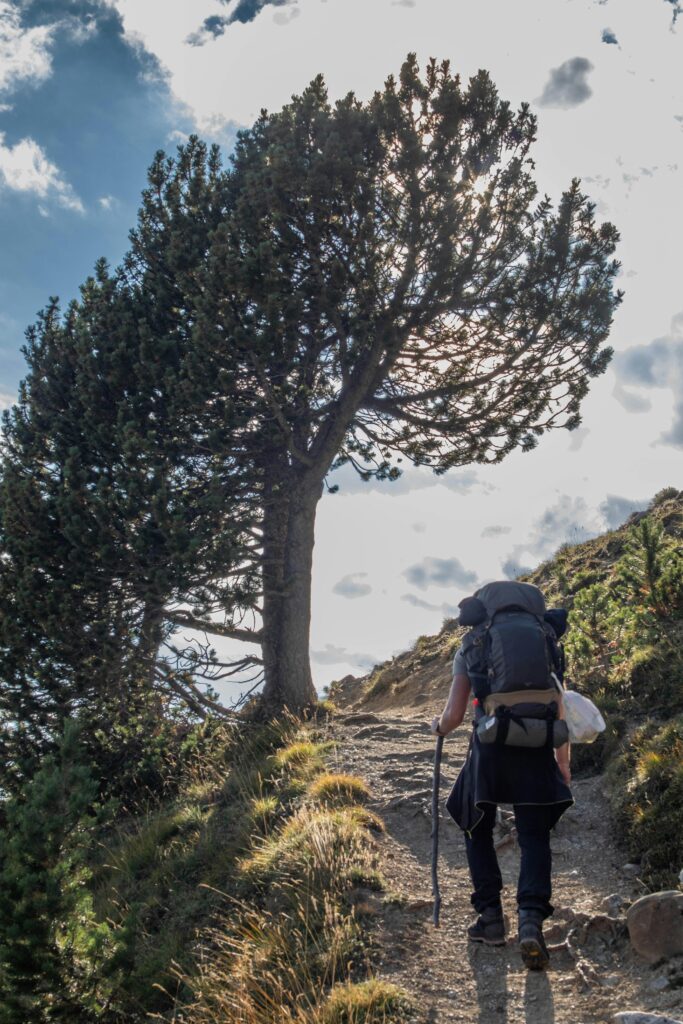
Ask any experienced pilgrim what they wish they’d known before their first Camino, and the answer is almost always the same: I packed too much. The overloaded backpack is one of the great Camino rites of passage — and one you can skip entirely if you read this Camino de Santiago packing list guide first.
This packing list has been built around one golden rule: your pack should weigh no more than 10% of your body weight. For most people, that’s 7–10kg fully loaded, including water. Everything in this list earns its place. Everything we’ve left off doesn’t.
We’ve organised this guide by category, with specific gear recommendations, budget options, and the honest truth about what you actually use versus what ends up mailed home from Pamplona.
Camino de Santiago Packing List: A Quick Reference
Footwear
- Trail running shoes or hiking boots (broken in)
- Sandals or camp shoes (lightweight)
- 2–3 pairs of merino wool hiking socks
Clothing
- 2 moisture-wicking t-shirts or base layers
- 1 long-sleeve layer (merino wool ideal)
- 1 lightweight fleece or mid-layer
- 1 waterproof jacket (packable)
- 2 pairs of walking trousers or shorts
- 3 sets of underwear (merino or quick-dry synthetic)
- Sun hat or cap
- Buff / neck gaiter
- Light gloves (spring/autumn/winter only)
Gear & Essentials
- Backpack (30–40L, fitted)
- Waterproof pack cover
- Sleeping bag liner
- Trekking poles (collapsible)
- Headlamp + spare batteries
- Water bottle or hydration bladder (1.5–2L capacity)
- Dry bags or ziplock bags (for waterproofing inside pack)
Toiletries & Health
- Blister kit (Compeed, needle, thread, alcohol wipes)
- Sunscreen (SPF 50)
- Lip balm with SPF
- Basic first aid kit (ibuprofen, plasters, antiseptic)
- Microfibre towel (small)
- Toiletry bag (travel-size everything)
- Earplugs (essential for albergue sleeping)
- Sleep mask
Documents & Admin
- Credencial del Peregrino (pilgrim passport)
- Passport + photocopies stored separately
- Travel insurance documents
- Emergency contact card (keep in pack)
Electronics
- Smartphone
- Portable charger / power bank
- Universal plug adapter
- Earphones
The Deep Dive: Every Category Explained
Footwear: The Most Important Decision You’ll Make
Your feet will carry you hundreds of kilometres. Get this wrong and your Camino ends early. Get it right and everything else is manageable.
Trail Running Shoes vs Hiking Boots: The Great Debate
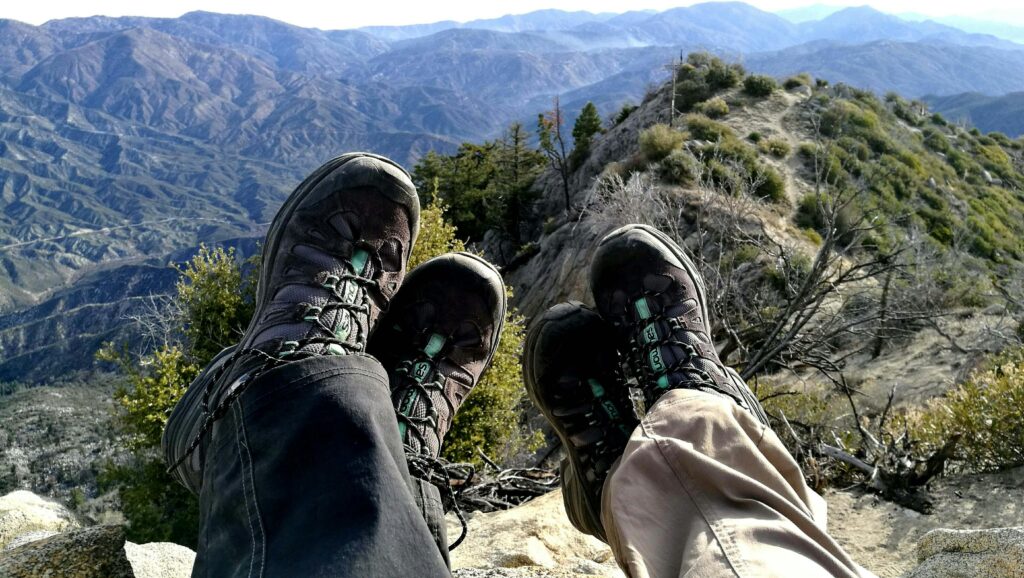
This divides the Camino community, but the evidence increasingly favours trail running shoes for most pilgrims:
- Trail running shoes: Lighter (saves energy over hundreds of kilometres), dry faster when wet, break in more quickly, and cause fewer blisters for most people. The Camino trail is mostly well-maintained paths — you don’t need heavy-duty ankle support. Best picks: Salomon Speedcross, Hoka Speedgoat, Brooks Cascadia.
- Hiking boots: Better for ankle support if you have a history of ankle injuries. More waterproof in sustained rain. Take longer to break in and dry slower. Best picks: Salomon X Ultra, Merrell Moab, Lowa Renegade.
The verdict: if you don’t have specific ankle or foot issues, try trail running shoes. Most experienced Camino walkers have switched and never looked back.
The Break-In Rule (Non-Negotiable)
Whatever shoes you choose, wear them for at least 8 weeks before you start. Walk in them. Train in them. Get blisters at home where you have time to heal, not on day two of the Camino. New shoes on day one are one of the most common reasons pilgrims have to stop early.
Socks: Spend the Money Here
Cheap socks cause blisters. Merino wool hiking socks are worth every euro. They regulate temperature, resist odour, and reduce friction far better than cotton. Bring 2–3 pairs and rotate them daily. Best picks: Darn Tough, Smartwool PhD, Bridgedale Hike.
Camp Sandals
After a long day of walking, your feet need to breathe. A lightweight pair of sandals or flip-flops for albergue use is essential — also required for communal showers. Crocs are a Camino institution. Lightweight Teva or Birkenstock sandals work well too.
The Backpack: Your Home for the Next Month
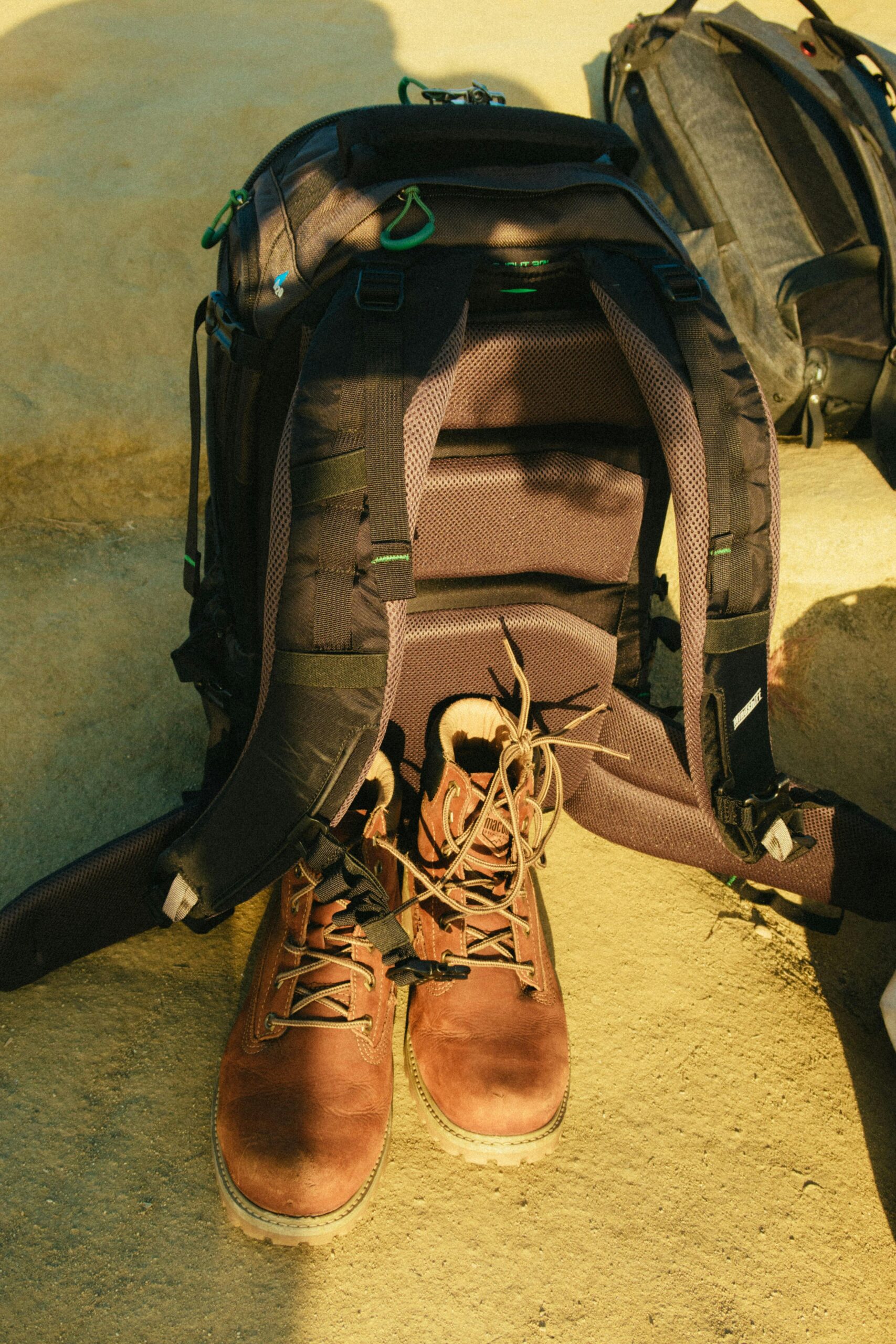
Choose a 30–40L pack. Anything bigger and you’ll fill it. The pack must be fitted properly — go to a specialist outdoor store and get a professional fitting. A poorly fitted pack causes back, shoulder, and hip pain that can end your Camino.
Key features to look for:
- Hip belt that sits on your hip bones (takes 70–80% of the weight off your shoulders)
- Adjustable torso length
- Ventilated back panel (keeps air circulating)
- Hip belt pockets for snacks, phone, and sunscreen
Best picks by budget:
- Budget: Osprey Sirrus/Stratos 36 — the most recommended Camino pack at any price point.
- Mid-range: Deuter Futura 32 — excellent ventilation, lifetime guarantee.
- Premium: Gregory Jade/Zulu 30 — superb fit, incredibly comfortable on long days.
Always buy a waterproof pack cover too — the Camino, especially in Galicia, is not always sunny.
Clothing: The Merino Wool Philosophy
The Camino clothing system is built on one principle: fast-drying, odour-resistant, lightweight layers. Merino wool is king. It sounds expensive, but two merino t-shirts outperform six cotton ones because they can be washed and worn again the next day without smelling.
Base Layers (T-shirts)
Bring 2. That’s it. Wash one, wear one. Merino wool or high-quality synthetic. Never cotton — cotton holds sweat, dries slowly, and causes chafing. Best picks: Icebreaker Tech Lite, Smartwool Merino, Woolly Clothing Co.
Mid Layer (Fleece or Softshell)
One lightweight fleece for cool mornings and evenings. You’ll put it on before sunrise and take it off by 9am. Doesn’t need to be heavy — a 100-weight fleece is enough for spring/autumn. Marmot 100-Weight Fleece Sweater or similar.
Rain Jacket (Essential)
Galicia is one of the wettest regions in Europe. A good waterproof jacket is non-negotiable. It must pack down small, be genuinely waterproof (not just water-resistant), and have pit zips or venting for temperature regulation. Best picks: Marmot Waterproof Rain Jacket, Arc’teryx Beta, budget option: Decathlon Forclaz 500.
Trousers/Shorts
Two pairs maximum. Convertible zip-off trousers are practical — wear as trousers in the morning, zip off to shorts by midday. Quick-dry is essential. Columbia Silver Ridge and Craghoppers Kiwi Pro are reliable picks.
Underwear
Three pairs of merino or synthetic quick-dry. Exofficio Give-N-Go and Smartwool merino are pilgrim favourites. Chafing is a real issue on long walking days — anti-chafe underwear is worth the investment.
Sleeping: The Liner vs Sleeping Bag Question
Most albergues provide bunks with mattresses and pillows — you just need your own bedding. A lightweight sleeping bag liner is all you need for spring, summer, and autumn walking. It’s hygienic, packs tiny, and is sufficient for albergue temperatures.
If walking in winter or at altitude (Camino Primitivo), bring a lightweight sleeping bag rated to 5°C. For everyone else, a silk or merino liner is perfect. Best picks: Sea to Summit Silk Liner, Cocoon Silk Mummy Liner.
Trekking Poles: Optional But Highly Recommended
Poles reduce the load on your knees by up to 25% on descents — significant over hundreds of kilometres. They also improve balance and rhythm. Many pilgrims start without them and wish they’d brought them from day one.
Get collapsible/foldable poles that pack down small for flights and buses. Carbon fibre is lighter than aluminium but less durable if you’re hard on gear. Best picks: Black Diamond Trail Cork, Leki Micro Vario Cork, budget option: Decathlon Forclaz MT500.
The Blister Kit: Your Most Important Medical Supply
Blisters are a rite of passage on the Camino. Even with perfect shoes and socks, most pilgrims get them. The key is catching them early (hot spots before they become full blisters) and treating them properly.
Your blister kit should include:
- Compeed blister plasters — the gold standard. Apply at first sign of rubbing, not after the blister forms.
- Sterilised needle and thread — for draining blisters properly (thread left in drains fluid; look up the technique before you go)
- Alcohol wipes — for sterilising before treatment
- Leukotape — medical tape that stays on even when wet, for pre-taping hot spots before they blister.
What NOT to Pack: The Common Mistakes
This list might save your back more than anything above. These are the items that end up in the post-office box pilgrims mail home from Pamplona or Porto:
- Heavy guidebook: Download a PDF or app. The Brierley guide weighs 400g — you’ll find those 400g very significant by week two.
- Full-size towel: A small microfibre travel towel is all you need. A beach towel will add 500g+ and never dry.
- Multiple pairs of jeans: Heavy, slow to dry, and completely unnecessary. Leave them at home.
- Hair dryer: Most albergues don’t allow them or have limited sockets. Leave it at home and embrace the air-dry life.
- Too many pairs of shoes: One main pair + one camp sandal. That’s it.
- Laptop: Your phone is enough. A laptop adds weight and anxiety.
- More than 3 books: One book, then swap with fellow pilgrims. The Camino has a wonderful book-swap culture.
Budget Gear Guide: How to Equip Yourself for Under €300
You don’t need to spend a fortune to be well-equipped. Here’s how to prioritise your budget:
- Spend most on: Shoes (€80–150), backpack (€80–150), socks (€15–25/pair). These directly affect your physical wellbeing every single day.
- Spend moderately on: Rain jacket (€60–120), trekking poles (€40–80). Important but there are good budget options.
- Save on: Clothing layers (Decathlon is excellent value), toiletries (buy travel size at home), electronics accessories.
Decathlon is your best friend for budget Camino gear — their Forclaz range is specifically designed for long-distance hiking and represents remarkable value. There are Decathlon stores in most major Spanish and Portuguese cities if you need to replace anything en route.
Final Packing Tips From Experienced Pilgrims
- Pack your bag, then take out 20% of it. Seriously. You will find things you thought were essential that you never touch.
- Weigh your pack before you leave. Use a luggage scale. If it’s over 10% of your body weight, something comes out.
- Anything you can buy on the Camino, don’t pack. Sunscreen, snacks, basic first aid — all available at pharmacies and supermarkets along the route.
- Use dry bags inside your pack. Even with a rain cover, packs can get wet. Keep electronics and documents in waterproof bags.
- Ship excess luggage ahead. If you’re walking with more than you want to carry, services like Jacotrans and other luggage transfer companies will move your bag to the next albergue for €5–8.
Ready to Pack?
The perfect pack is light, smart, and entirely yours. Use this list as a starting framework, adapt it to your route and the season you’re walking, and remember: almost anything you forget can be bought along the way. The Camino has been welcoming pilgrims for a thousand years — it’s well stocked.
Explore more in our Camino planning guides:
- Camino de Santiago Complete Beginner’s Guide
- How Much Does the Camino de Santiago Cost?
- Camino Português — Everything You Need to Know
- How to Train for the Camino de Santiago]
Buen Camino. 🌟
One Comment