
Camino de Santiago Packing List: The Definitive Guide (2026)
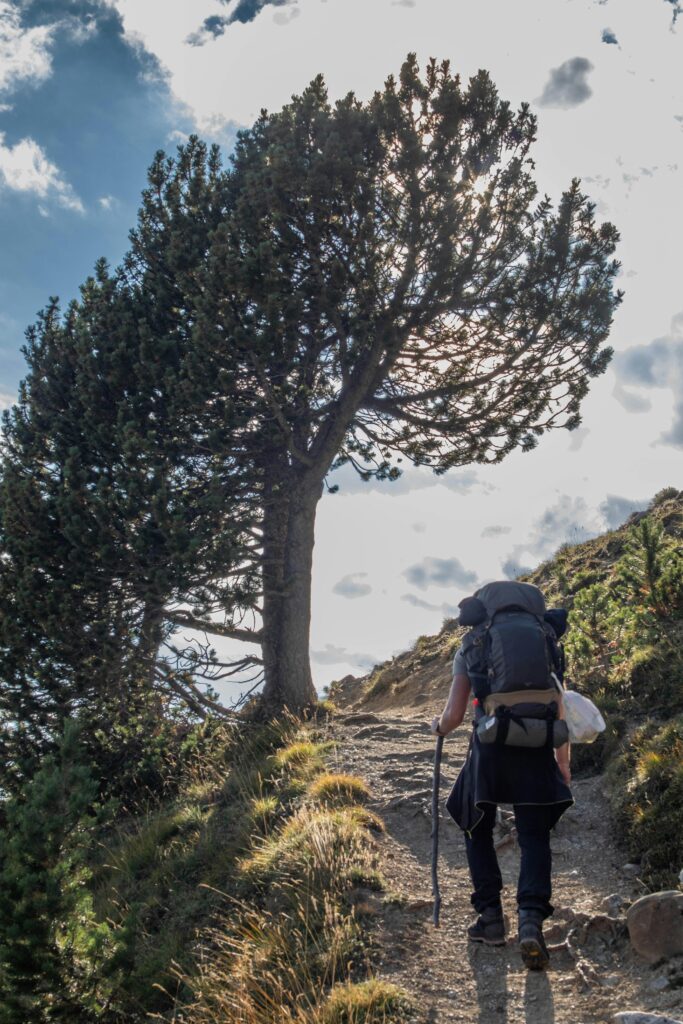
Ask any experienced pilgrim what they wish they’d known before their first Camino, and the answer is almost always the same: I packed too much.
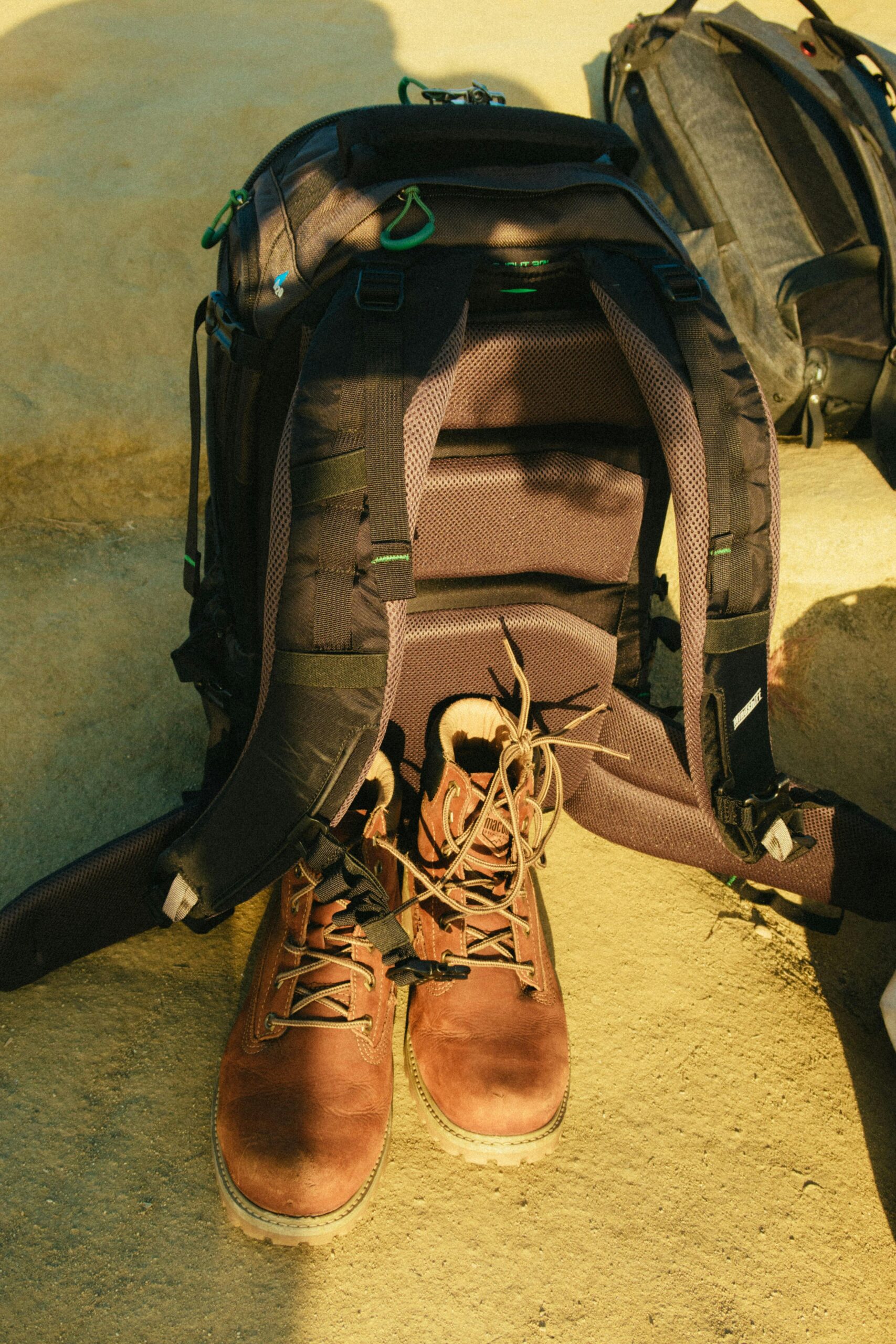
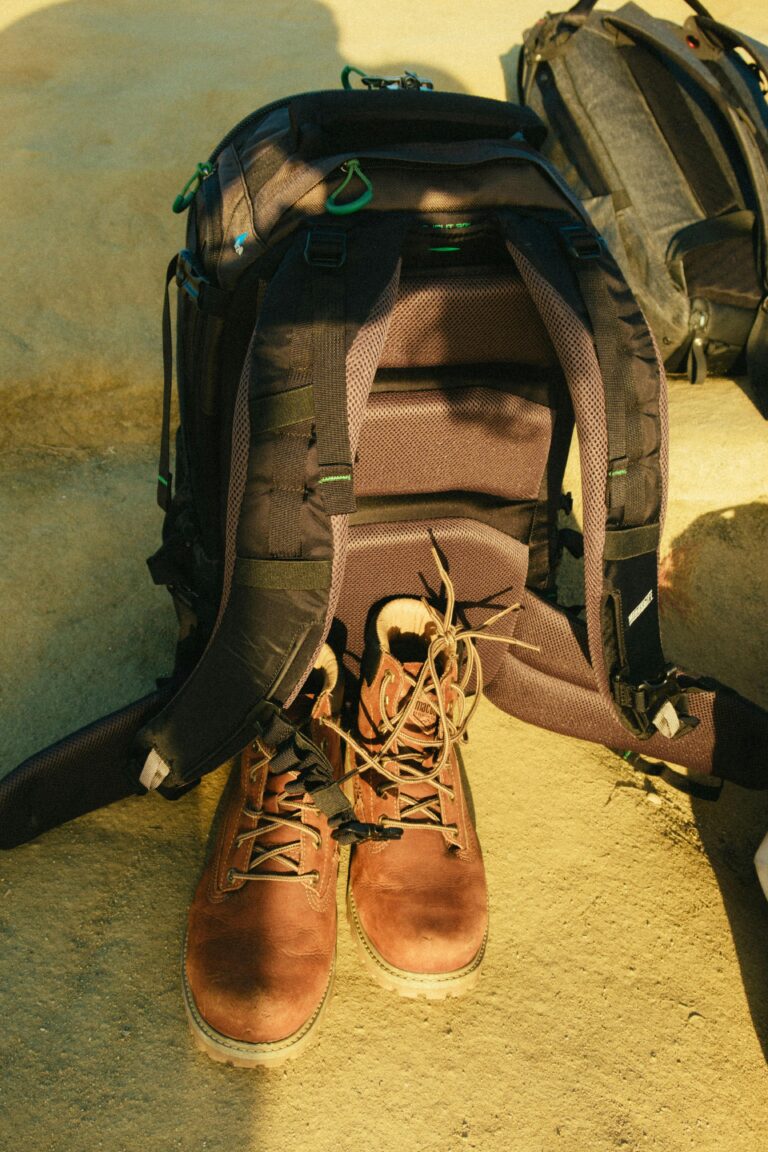
I learned this the hard way: I started my Camino Português in Timberland waterproof boots with a backpack I’d overstuffed with things I was convinced I’d need, such as a book and extra t-shirts. Bad idea!
By the midpoint, I’d already shed several casualties along the way, and the boots went too – abandoned in favour of a pair of Asics I picked up from a shop along the route. The difference was immediate and dramatic – I finished lighter, freer, and with a very clear sense of what actually mattered.
This Camino de Santiago packing list guide is the complete guide I wish I’d had. It’s built on real experience – not just research – and the philosophy behind every recommendation is the same: bring less than you think you need, trust the route to provide the rest, and save your energy for the walking.
Quick Reference: Complete Camino de Santiago Packing List at a Glance
Footwear
- Trail running shoes (broken in)
- Trekking sandals
Clothing
- 2 t-shirts
- 1 lightweight fleece or wool mid-layer
- 1 waterproof shell jacket
- 2 pairs of convertible trousers
- 3 sets of underwear
- 2–3 pairs of hiking socks
- Sun hat or cap
- Buff / neck gaiter (optional)
Gear & Essentials
- Backpack (30–40L)
- Waterproof pack cover
- Sleeping bag liner/ sleeping bag (depending on season)
- Trekking poles (optional)
- Water bottle
- Small microfibre towel
Toiletries & Health
- Toiletry bag (travel-size everything)
- Blister kit (Compeed, needle, thread, alcohol wipes)
- Sunscreen (SPF 50)
- Lip balm with SPF
- Medical tape
- Ibuprofen
- Earplugs
Documents & Admin
- Credencial del Peregrino (pilgrim passport)
- Passport + photocopies stored separately
- Travel insurance documents
Miscellaneous
- Smartphone
- Small portable power bank
- EU plug adapter
- Earphones
The Deep Dive: Every Category Explained
1. Footwear
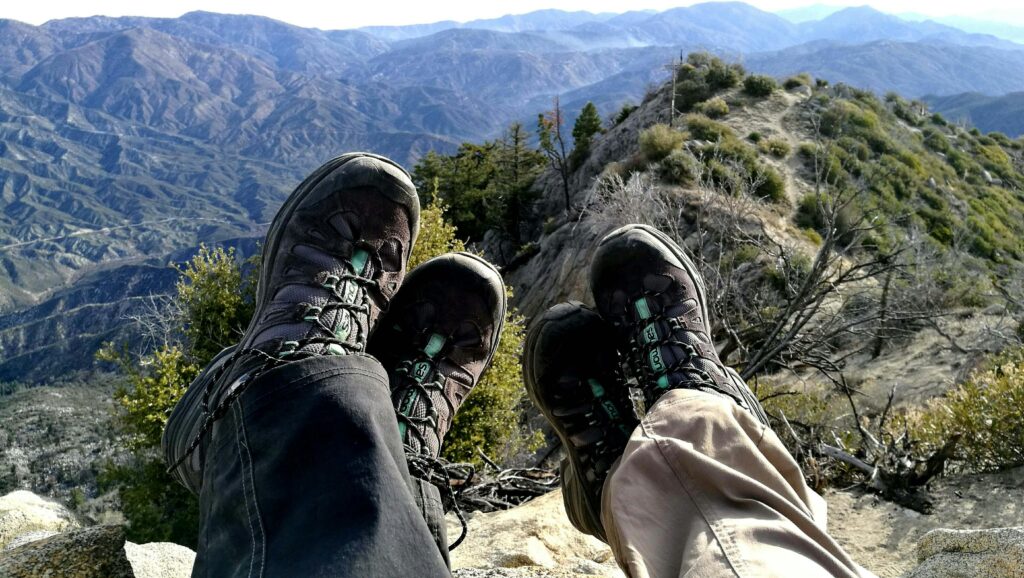
Footwear is the single most important decision you’ll make when packing for the Camino. Get it right and you’ll barely think about your feet. Get it wrong and it becomes the defining experience of your walk – and not in a good way.
The waterproof boot myth: Here’s my hot (and dare I say, accurate?) take – waterproof hiking boots, while often recommended by travel blogs, are usually the wrong choice for the Camino.
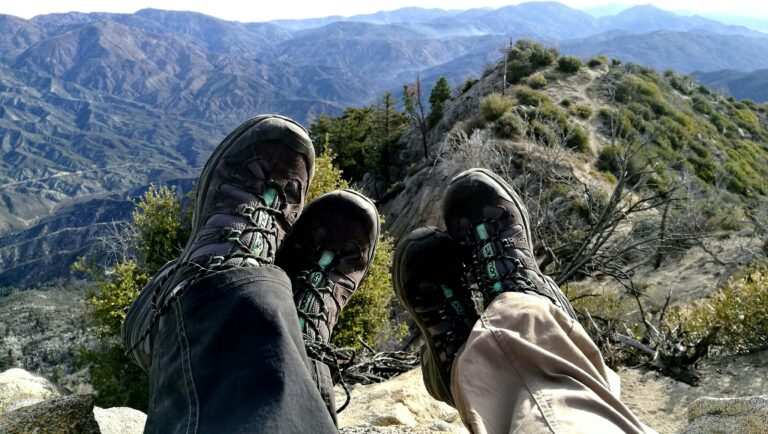
I know – it sounds counterintuitive, especially for a route that crosses one of the wettest regions of the Iberian Peninsula. But my own experience has been consistent with the opinions of experienced pilgrims I’ve met along the trail: waterproof boots trap heat and moisture from within, cause blisters more readily on long daily walks, and take an eternity to dry when they do get wet. Light, breathable trail runners or even trekking sandals on paved sections are almost universally preferred by us pilgrims who’ve walked more than one Camino.
The one exception: if you’re walking in deep winter or on a route with genuinely snowy or very muddy mountain terrain, waterproof boots may earn their place. For most pilgrims on most routes, leave them at home.
Size up: Your feet will swell. This is not a maybe – it will happen, usually by the afternoon of your first long day. I’d strongly recommend sizing up half a size to a full size from your usual fit. And before you leave home, do a test walk of 20–30km in a single day in the shoes you plan to bring. You’ll get blisters and hot spots immediately if they’re not right – far better to discover this in your home city than on the trail.
On ankle support: I’ve found that high boots marketed for ankle support can actually impede natural ankle movement on long walks, leading to irritation rather than stability. If you genuinely need ankle support, a dedicated ankle brace from a pharmacy along the route is a smarter solution – which you can easily purchase during your camino at a pharmacy (which appear with reassuring regularity on main camino routes, thankfully).
Trekking sandals: I highly recommend these. On well-paved sections, switching into trekking sandals gives your feet a chance to breathe and decompress, while you can also wear them in albergues and communal showers.
Trail Runners
Budget: ASICS Gel-Venture 10 – these are the exact shoes I switched to midway through my Camino Português. Affordable, cushioned, widely available.
Mid: Altra Lone Peak 9 – zero drop, wide toe box that accommodates foot swell beautifully, excellent traction. A genuine thru-hiker favourite.
Luxury: Hoka Speedgoat 6 – another Camino classic. Maximum cushioning for long daily distances with its Vibram outsole.
Trekking Sandals
Budget/Mid: Teva Hurricane XLT2 – this is THE Camino standard, with solid traction, quick-drying straps and an adjustable fit.
Luxury:Chaco Z/Cloud – superior arch support for those who need it, built for longevity.
2. Backpack
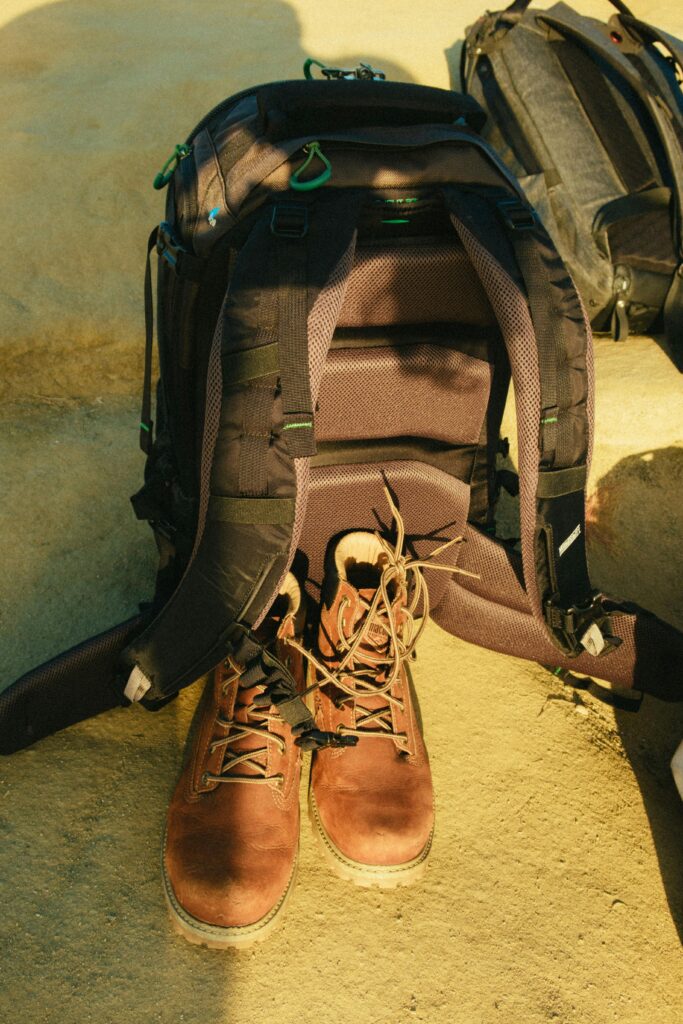
My strong recommendation is to aim for 30–40 litres – it sounds small until you realise that the Camino provides so much along the way (more on that later).
A good rule of thumb: your pack should weigh no more than 10% of your body weight when fully loaded. The weight should sit on your hips, not your shoulders.
One practical note: some packs – including the Osprey models recommended below – come with an integrated rain cover. If yours doesn’t, buy a separate backpack rain cover before you leave.
Budget: Decathlon Quechua 30–40L – functional, very affordable, widely available. A perfectly solid first Camino pack.
Mid:Osprey Stratos 36 (men’s) / Sirrus 36 (women’s) – excellent ventilated back panel, comfortable hip belt and an integrated rain cover, with a lifetime guarantee.
3. Clothing
Resist the urge to overpack here – you will wash your clothes every evening. You don’t need variety, you need lightweight, fast-drying layers that do their job without taking up space and weight.
T-shirts
Most guides herald merino wool as the go-to. Honestly? I wore €5 Decathlon dry-fit t-shirts for my entire Camino Português and they did the job perfectly well. If you’re planning a longer route, walking in colder months, or simply want fewer laundry stops, merino wool is genuinely worth the investment – but don’t let anyone tell you it’s essential.
Budget: Decathlon Kalenji dry-fit t-shirts – incredibly affordable, dries fast, does exactly what you need.
Mid: Icebreaker 150 merino t-shirts – odour resistant, temperature regulating, genuinely comfortable over multiple days.
Luxury: Patagonia Capilene Cool merino – exceptional quality, ethically produced, built to last.
Trousers
Given that you’re just bringing two pairs, I highly recommend getting zip off (also known as convertible) trousers. These turn into shorts with a quick pull of the zip, making them extremely functional during the hotter months.
Budget: Decathlon Forclaz MT100 zip off trousers – functional and affordable.
Mid: Columbia Silver Ridge convertible pants – lightweight, quick-dry and UPF 50 rated.
Luxury: Patagonia Quandary Convertible Pants – durable water-repellent finish, UPF 40+ sun protection and made from recycled nylon.
Socks
Cheap socks cause blisters, so spend some budget here. Merino wool hiking socks are worth every euro. They regulate temperature, resist odour, and reduce friction far better than cotton. Bring 2–3 pairs and rotate them daily.
Best picks: Darn Tough,Smartwool PhD,Bridgedale Hike.
Underwear
Three pairs of merino or synthetic quick-dry of your choice. Chafing is a real issue on long walking days — anti-chafe underwear like Exofficio Give-N-Go and Smartwool merino are pilgrim favourites.
Warm Layer
A lightweight fleece or wool mid-layer is all most pilgrims need between April and September – a down jacket is overkill for peak season walking. But if you’re heading out in the colder months, or walking a route with higher altitude sections like the Camino Francés over the Pyrenees, I’d recommend checking the forecast for your specific stages before you leave. You may find you need an extra thermal layer or two.
Budget: Decathlon Quechua MH100 fleece – excellent value, lightweight, perfectly functional.
Mid: Icebreaker merino mid-layer – extra warmth with 100% wool; worth every euro if you’re walking in shoulder season. Or, the Patagonia Better Sweater – 100% recycled polyester and produced in a Fair Trade Certified™ facility
4. Rain Gear
A waterproof shell jacket is non-negotiable. The Camino passes through some of the wettest regions of the Iberian Peninsula – the Minho in northern Portugal and Galicia in Spain are green precisely because it rains, so be prepared.
Some pilgrims choose ponchos over jackets – they cover you and your pack simultaneously, which is convenient. Personally, I find them unwieldy in wind and a bit single-purpose. A good waterproof shell does double duty as a wind layer and an extra warmth layer when temperatures drop, which makes it a smarter piece of kit overall. Just remember to pair it with a rain cover for your pack.
Budget: Decathlon Quechua NH500 – with a 5000mm rating, this provides adequate waterproofing for typical Camino conditions. That said, if you’re walking in heavy autumn downpours or want to invest in better gear for the long-run, consider upgrading to one of the premium options below.
Mid: Marmot Precip Eco Waterproof Rain Jacket – ultralight and packs down tiny, waterproof and breathable, made of 100% recycled nylon.
Luxury: Patagonia Torrentshell 3L — consistently the top-rated mid-range waterproof shell across 2026 reviews. Strong weather resistance, high attention to detail, outstanding value for the performance level.
5. Sleep System
What you need for sleeping depends heavily on when and where you’re walking. In peak season (roughly May to September), most pilgrims get by perfectly well with just a lightweight sleeping bag liner – private albergues and many public ones provide blankets, and the nights are mild enough that a liner adds just enough warmth.
In the colder months it’s a different story. Walking in March for example, I was genuinely glad to have a sleeping bag – public albergues typically provide only a disposable pillowcase and a disposable bedcover over the plastic mattress, which offers virtually no warmth on a cold night in northern Portugal or Galicia. If you’re walking off-peak or tackling a higher altitude route like the Primitivo or the Francés in shoulder season, and planning to sleep in the public albergues, a sleeping bag isn’t optional – definitely pack one.
Sleeping Bag Liner (peak season)
Budget: Decathlon Quechua polyester liner – ultra affordable, packs tiny, does the job.
Mid: Sea to Summit Reactor – one of the most popular liners on the market for good reason. Adds meaningful warmth through hollow-core polyester fibres.
Luxury: Cocoon silk liner – ultralight, packs to almost nothing, beautifully comfortable against skin.
Sleeping Bag (off-peak or cold routes)
For the Camino, a sleeping bag is not a gear category that rewards over-investment – you’re sleeping in an albergue bunk, not bivouacking on a mountain. The difference between a solid budget bag and a premium €300+ option is largely negligible for this context. What matters is that it’s lightweight, packable, and warm enough for the temperatures you’ll actually encounter – a bag rated to around 0–5°C is sufficient for Portugal and Galicia even in winter.
Budget: Decathlon Simond MT900 10°C – at just 700g with 800 fill power down, it’s a lightweight, packable and no-fuss choice.
Mid: Kelty Supernova 20 – slightly heavier but roomier than a traditional mummy bag, making it comfortable for all sleep positions. 550 fill down, recycled fabrics, a good choice if you run cold or simply want a bit more comfort.
6. Trekking Poles
Whether poles are worth carrying really depends on the route you’re walking. On more mountainous routes like the Primitivo, the Norte, or the Francés crossing the Pyrenees, poles earn their keep quickly – they take meaningful strain off your knees on long descents, help with balance on uneven terrain, and give you something to lean into on steep climbs. On flatter routes like the Português from Porto, they’re more of a personal preference than a necessity.
A good rule of thumb: if your route involves significant daily elevation change, or your knees tend to complain on long descents, pack them. If you’re walking a gentler route and travelling light, you can comfortably leave them at home – or decide en route and pick up a basic pair at a sports shop along the way.
Budget: Trekology Trek-Z 2.0 – the best budget folding pole across multiple 2026 reviews. Compact, reliable, EVA foam grips, carbide tips.
Mid: Black Diamond Alpine Carbon Cork – cork grips, durable, well tested across varied terrain.
Luxury: Black Diamond Distance Z – 100% carbon fibre for exceptional strength-to-weight performance, and a foldable design for excellent packability.
7. Toiletries & First Aid
The Essentials — bring from home
- Compeed blister plasters – practically a Camino institution, and absolutely non-negotiable in my opinion!
- Ibuprofen – for inflammation, muscle pain and headaches
- Medical tape or Leukotape – for taping vulnerable spots before blisters even form, something many experienced pilgrims do religiously every morning
- Antiseptic wipes and a sterile needle – for cleaning and draining large blisters
- Personal prescription medications
- Earplugs – non-negotiable for albergue sleeping. Eye mask optional.
On pain — what to push through and what to fix
The Camino will hurt – that much is almost guaranteed. Blisters, swollen ankles, aching shoulders, the relentless afternoon fatigue when your mind starts turning against you. Some of that pain is simply part of the journey, and the most useful thing I found was to meet it with a kind of quiet stoicism – put one foot in front of the other, breathe, and try not to add drama to what’s already hard.
But some pain is genuinely fixable, and there’s no virtue in suffering unnecessarily – a Compeed on a hot spot before it becomes a blister, an ibuprofen when the inflammation in your ankle is real, a long sit-down at a cafe with something warm… For me, learning to tell the difference between the two became one of the quieter things the Camino taught me.
On pharmacies
Pharmacies are everywhere along every major Camino route – in virtually every town you’ll pass through. If you run out of Compeed, need an ankle support brace, or want anti-inflammatory gel, you’ll find it within a day’s walk. Or ask a fellow pilgrim – you’ll find that help is almost always available when you need it. So, just pack the basics and trust in the route!
8. Water Bottle
500ml is genuinely enough for virtually every major Camino route. Cafes, public fountains and rest stops appear with reassuring regularity – I never once found myself desperately thirsty between stops. There’s no need to carry the extra weight of a full litre bottle. The one exception worth noting is the Via de la Plata, which has long stretches between towns – if that’s your route, carry at least a litre.
My recommendation: the Nalgene Wide Mouth 500ml. BPA-free, leak proof, lightweight, virtually indestructible, easy to fill – it almost feels boring to recommend, but too good not to.
9. Snacks
My honest advice: pack minimal snacks, or none at all. The Camino is not a wilderness trail – you are never far from a cafe, a bakery, a small shop, or a vending machine. Some of my favourite moments on the trail were the unplanned stops: a pastel de nata at a Portuguese cafe mid-morning, a bocadillo from a village bar, fresh fruit from a market stall. If you pack heavily for snacks you’re carrying weight that the route will happily provide for you.
That said, a small emergency stash is sensible – a handful of nuts, an energy bar, something to keep you going if you misjudge the gap between stops or push through without breaking – but I’d keep it small.
10. Navigation & Extras
The Camino is one of the best-marked long distance routes in the world – yellow arrows and scallop shell waymarkers appear with comforting regularity. You don’t need a dedicated GPS device, a paper map, or a guidebook. Your phone is enough.
The one app worth downloading before you leave is the Buen Camino app – it’s free, works offline, and gives you stage breakdowns, albergue locations, distances, and elevation profiles for every major route. I used it daily and found it genuinely useful, though half the time the yellow arrows made it unnecessary.
A few practical extras worth mentioning:
- EU plug adapter if you’re coming from outside Europe – easy to forget, impossible to replace your first evening in a Portuguese albergue
- Small portable battery pack – essential for if your phone runs out of juice during the day, or the occasional public albergue that does not have charging ports at each bunk
- Your Credencial – the pilgrim passport you collect stamps in along the way. You need it to stay in public albergues and to receive your Compostela certificate in Santiago. Pick one up at the pilgrim office in your starting city, or even in your home country
- Earplugs – I mentioned these in the first aid section but they deserve a second mention here. If you’re sleeping in albergues they are indispensable – unless you enjoy the snoring choir!
What NOT to Pack: Common Mistakes
This list might save your back more than anything above. These are the items that end up donated or mailed home by pilgrims:
- Heavy guidebook: Download a PDF or app. The Brierley guide weighs 400g — you’ll find that 400g very significant by day 3.
- Full-size towel: A small microfibre travel towel is all you need. A beach towel will add 500g+ and never dry.
- Jeans: Heavy, slow to dry, chafe-prone and completely impractical. Leave them at home.
- Hair dryer: Most albergues don’t allow them or have limited sockets. Leave it at home and embrace the air-dry life.
- Laptop: Your phone is enough; embrace the opportunity to disconnect.
An important note: if you’re walking the camino as part of an extended trip and are therefore carrying excess baggage, you can ship it ahead! Services like Top Santiago and other luggage transfer companies will move your bag to your next albergue stop for €5–8.
Ready to Walk?
The best packing list is the one that gets lighter with every Camino you walk. First-timers tend to carry their fears as much as their gear – the ‘just in case’ items that never get used, the backup layers that stay stuffed at the bottom of the pack. It’s completely understandable.
But the Camino has a way of teaching you to trust it. The pharmacies appear when you need them. The cafes materialise at exactly the right moment. The fellow pilgrims share what they have. You need less than you think.
Pack light, walk slow, and let the yellow arrows do the rest.
Bom Caminho. 🌟
Explore more in our Camino planning guides:
One Comment