
How Much Does the Camino de Santiago Cost? (2026 Budget Guide)
How much does the Camino de Santiago cost? It’s one of the most searched questions about the route – and one of the most poorly answered. Most guides throw out vague ranges that leave you more confused than when you started.
So here’s what I’d have wanted to know before I walked: real numbers, broken down by category and budget type, with honest context for each one. The Camino is genuinely one of the most affordable long-distance journeys you can take in Europe – but it helps to know where the money actually goes.
The short answer: most pilgrims spend between €30 and €80 per day on the trail, depending on how they travel. Read on for the full breakdown.
Quick Summary: Total Cost by Budget Type
This covers the full cost of walking the Camino Francés (around 33 days from Saint-Jean-Pied-de-Port), broken down by daily spend on the trail, gear investment, and a realistic all-in total. Flight costs are excluded as these vary too widely depending on where you’re travelling from.
| Budget Type | Daily Spend | Trail Spend (33 days) | Gear (one-time)* | Estimated Total** |
| Pilgrim Budget | €30–40/day | €990–1,320 | €400–550 | €1,390–1,870 |
| Mid-Range | €50–70/day | €1,650–2,310 | €550–800 | €2,200–3,110 |
| Comfortable | €80–120/day | €2,640–3,960 | €800–1,100+ | €3,440–5,060 |
* The gear cost assumes that you’ll have to purchase everything from scratch. However note that if you already own some gear or can borrow from friends, you could significantly cut this down – more on this in our gear section below.
**This figure excludes flights – add €100–500+ depending on origin and booking timing – and travel insurance (€40–80).
Daily Costs on the Camino: The Full Breakdown
Your daily spend breaks down into four main things: accommodation, food and drink, transport, and the bits and pieces that add up faster than you’d expect.
Accommodation: €5–60+/night
Where you sleep is the single biggest variable in your daily budget – and the Camino gives you genuine options at every price point:
| Type | Cost/night | Bookable? | Notes |
| Municipal albergue | €5–10 | Walk-in only | The cheapest option – basic dorms, shared bathrooms, disposable bedding – but often wonderfully sociable. |
| Private albergue | €15–30 | Often yes | Typically better facilities, smaller dorms and often proper bedding. |
| Pensión / private room | €30–55 | Yes | A private room, often en-suite. Perfect for rest days or when you genuinely need a proper night’s sleep. |
| Hotel | €60–150+ | Yes | Available in cities. Most pilgrims save this for Santiago itself. |
Most budget pilgrims mix municipal and private albergues, averaging around €10–15/night. Mid-range pilgrims who prefer their own room a few nights a week average €25–35/night.
Food & Drink: €10–50/day
Food on the Camino is genuinely one of its great pleasures – and wonderfully affordable. The menú del peregrino is your best friend on the trail: a three-course meal, wine or a beer usually included, for around €10–15 at many restaurants along the route.
A typical day looks something like this:
- Breakfast: Café con leche and a pastry at a bar – €2–4. One of life’s simple pleasures.
- Lunch: A bocadillo from a village bar – €4–8. Or a sit-down menú del peregrino (€10–15, wine or beer often included) if you’re treating yourself.
- Dinner: Another pilgrim menu (€10–15, typically closer to €15), or an à la carte meal at a local restaurant (€20–30 including wine and dessert). Or, many albergues have facilities for cooking – getting together with fellow pilgrims and sharing a communal dinner is a wonderful option (€3–5 each).
- Snacks & drinks: €3–8/day. Trail snacks, extra coffees, the occasional cold beer at the end of a long stage.
Budget total: roughly €20–30/day eating simply. Mid-range: €30–50/day with sit-down meals and a glass of wine each evening.
On the wine: Spain and Portugal produce exceptional wine. House wine with dinner at restaurants along the Camino is often €2–3 a glass. You’ve walked 25km – you’ve earned it.
Gear Costs: A One-Time Investment
Gear is worth thinking about separately – it’s a one-time cost that doesn’t repeat on future Caminos (and there’s almost always a future Camino). The figures below are based on the specific products recommended in our packing list, from budget Decathlon options through to mid-range branded gear:
| Item | Budget Range |
| Trail shoes | €60–150 |
| Trekking sandals | €40–80 |
| Backpack (30–40L) | €40–150 |
| Rain jacket | €40–180 |
| Clothing (2 t-shirts, 2 trousers, fleece) | €100–200 |
| Hiking socks (x3 pairs) | €30–75 |
| Sleeping bag liner Or sleeping bag for off-peak | €15–60 €80–150 |
| Trekking poles (optional) | €40–150 |
| Water bottle | €15–20 |
| Microfibre towel | €10–20 |
| Blister kit + first aid (Compeed, Leukotape, antiseptic, ibuprofen) | €20–35 |
| Miscellaneous (sunscreen, plug adapter, earplugs, etc.) | €20–40 |
Total gear investment from scratch: roughly €400–1,000, depending on what you already own and where you shop. Shopping our budget recommendations, borrowing from friends or buying second-hand before you leave can bring your costs significantly lower.For specific product recommendations at every budget, see our Camino de Santiago Packing List: The Definitive Guide.
The Hidden Costs Most Guides Don’t Mention
These are the costs that catch first-timers off guard. None of them are huge on their own, but they add up – worth building into your budget upfront:
- Credencial del Peregrino: €2–4. The pilgrim passport you get stamped at albergues, churches and cafés along the way.
- Compostela certificate: Free! But if you’d like a certificate stating the distance you walked (Certificado de Distancia), it’ll cost you €3. Collect both at the Pilgrim Office in Santiago on completion.
- Luggage transfer: €5–8 per stage. Services like Top Santiago move your bag to the next albergue while you walk. Optional, but popular for pilgrims with injuries or those who want to walk lighter.
- Laundry: €3–6 to use albergue washing machines and dryers. Many albergues have outdoor air-drying stations, which helps – but in rainy weather or back-to-back walking days, you’ll be grateful for the dryer. Budget for roughly every 2–3 days.
- Cathedral entrance fees: You’ll come across many cathedrals along the way – some charge entrance fees (€5–10) if you’d like to visit or attend a tour.
- Pharmacy: Budget €10–20 for blister supplies, Voltaren (the pilgrim standard for muscle pain), and anything else that comes up along the way.
- Souvenirs: The scallop shell, the Cruz de Santiago, a bottle of Galician spirits – budget whatever you’re comfortable with.
- Celebration dinner in Santiago: You’ve walked hundreds of kilometres. Budget €30–60 for a proper dinner with the people you’ve walked with. It will be one of the best meals of your life.
- Travel insurance: Non-negotiable – a good multi-trip policy covering medical evacuation and gear loss costs €40–80. I recommend World Nomads.
Cost Comparison by Route
Different routes have meaningfully different cost profiles, mainly because of duration – the shorter the route, the lower the total trail spend. Here’s a breakdown from shortest to longest:
| Route | Distance | Approx. Days | Budget/day | Trail Total (budget) |
| Inglés (Ferrol) | 120km | 5–6 | €30–40 | €150–240 |
| Português (Porto) | 240km | 10–12 | €30–40 | €300–480 |
| Primitivo | 320km | 13–15 | €32–42 | €416–630 |
| Português (Lisbon) | 620km | 25–28 | €30–40 | €750–1,120 |
| Francés (full) | 780km | 33–35 | €30–40 | €990–1,400 |
| Del Norte | 825km | 35–40 | €32–42 | €1,120–1,680 |
Note that you’ll have to include the costs for your gear, flights and travel insurance.
For budget-conscious pilgrims: The Português from Porto is my top recommendation – just 10–12 days on the trail, excellent infrastructure, beautiful scenery, and some of the best food the route has to offer.
10 Genuine Ways to Save Money on the Camino
- Start early every day. Municipal albergues are first-come, first-served and significantly cheaper. Early starters get the beds – and the best part of the day.
- Always ask for the menú del peregrino. Three courses with wine or beer for €10–15 is extraordinary value. Not all restaurants advertise it – just ask.
- Shop at supermarkets for breakfast and snacks. Mercadona and Lidl are common in larger towns along the route. A supermarket breakfast costs €2–3 versus €5–6 at a café.
- Cook a communal dinner when albergues have kitchens. On the Camino, you tend to see the same faces night after night – and some of the most memorable evenings happen when a group of pilgrims decides to cook together. Someone runs to the supermarket, others chop and cook, and you end up sharing a proper hot meal with wine for €3–5 each. I’ve done this and it’s one of my favourite Camino memories – better than any restaurant.
- Walk, don’t take taxis. Temptation strikes on hard days. Save it for genuine emergencies.
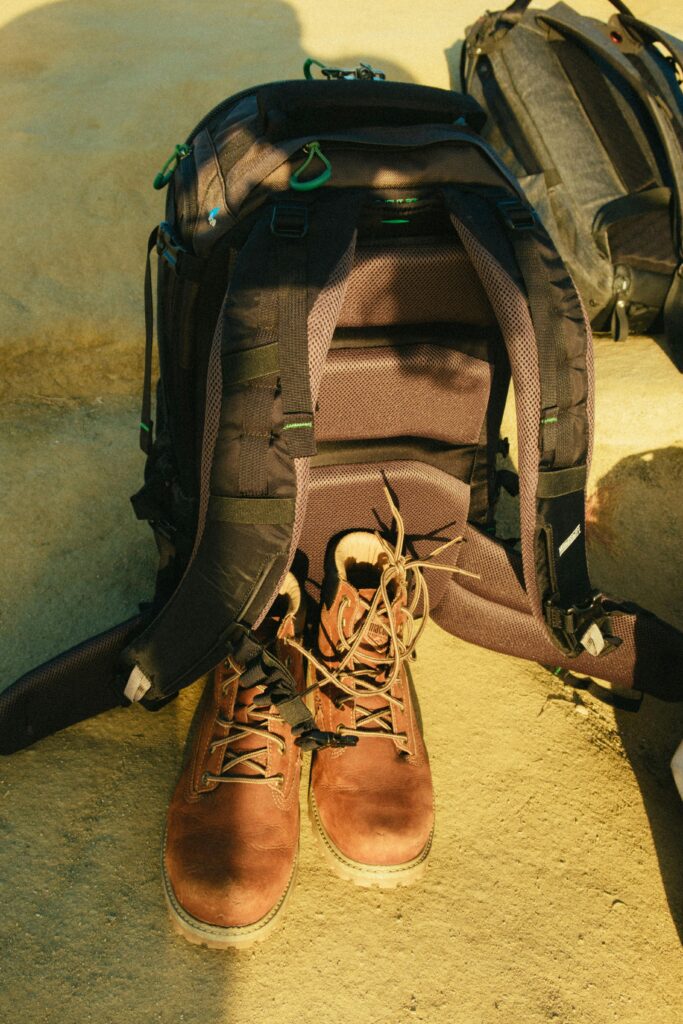
- Buy gear from Decathlon. Half the price of premium outdoor retailers, and genuinely good quality for most categories.
- Drink the house wine. In Spain and Portugal, house wine is excellent and costs €2–3 a glass. You don’t need the premium bottle.
- Book flights early. Six to eight weeks ahead is generally the sweet spot for budget airlines to Spanish and Portuguese hubs.
- Pack light enough to avoid checked baggage. A 30–40L pack fits in cabin baggage on most airlines.
- Use a no-fee travel card. Cards like Wise or Revolut charge no foreign transaction fees. Using a standard debit card can cost 3% on every transaction – real money over a month on the trail.
The Bottom Line for a First-Time Pilgrim
Here’s an honest all-in estimate for a first-time pilgrim walking the Camino Francés, assuming purchase of most gear from scratch, and excluding flights:
- Trail costs (33 days at €30/day): €990
- Gear (one-time): €400–600 (shopping our budget recommendations)
- Travel insurance: €40–80 (I recommend World Nomads)
- 10% contingency buffer: €150
Realistic total (excluding flights) for a budget-focused first Camino Francés: €1,600–1,800.
For the Camino Português from Porto, the shorter duration makes a meaningful difference. A realistic all-in budget from Porto (excluding flights) will run €700–1,100.
Explore more in our Camino planning guides:
- Camino de Santiago Complete Beginner’s Guide
- Camino de Santiago Packing List: The Definitive Guide
- Camino Português — Everything You Need to Know
Buen Camino. 🌟