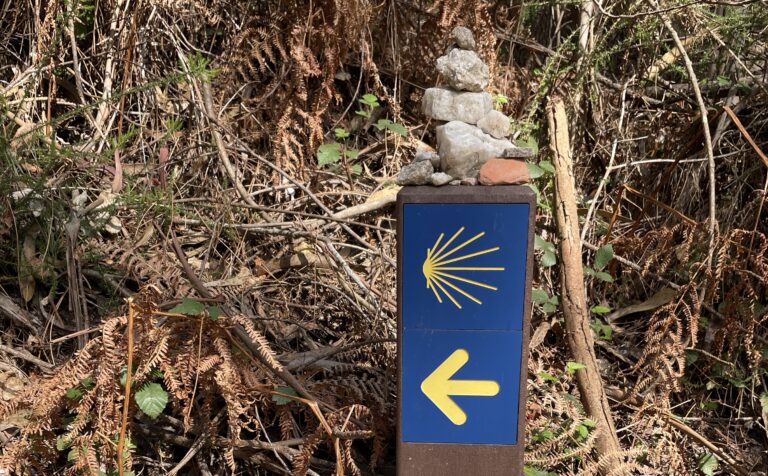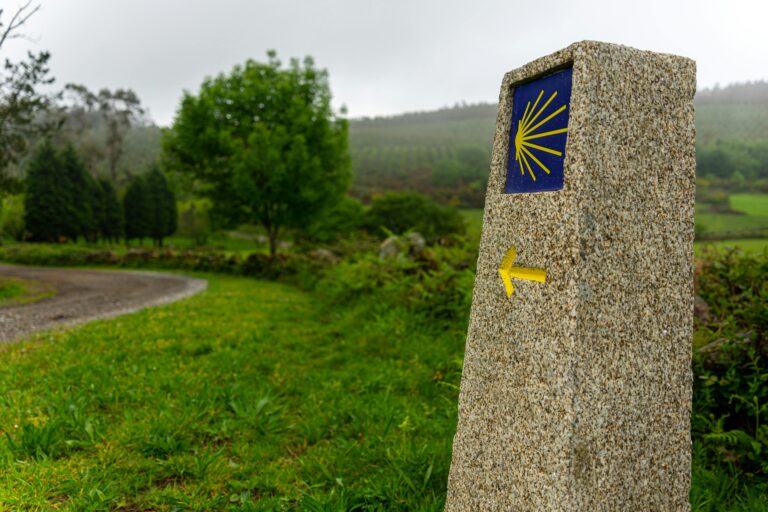
Camino de Santiago Shoes – The Honest Footwear Guide (2026)
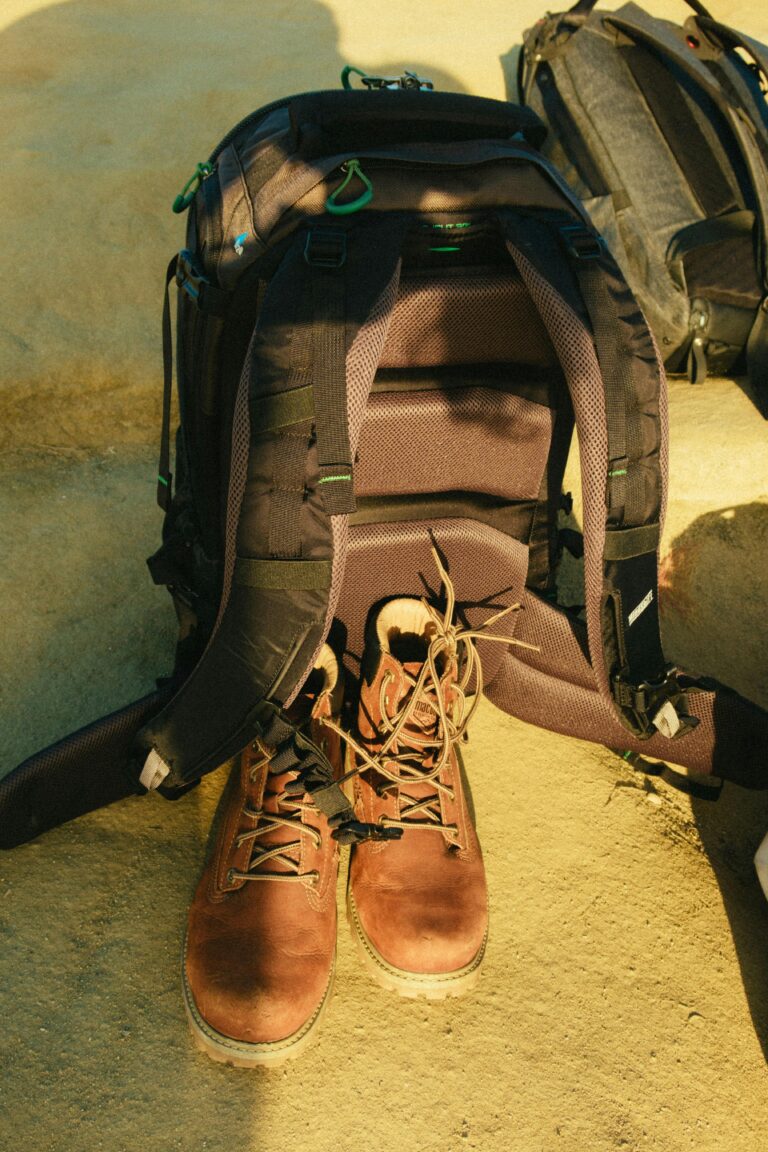
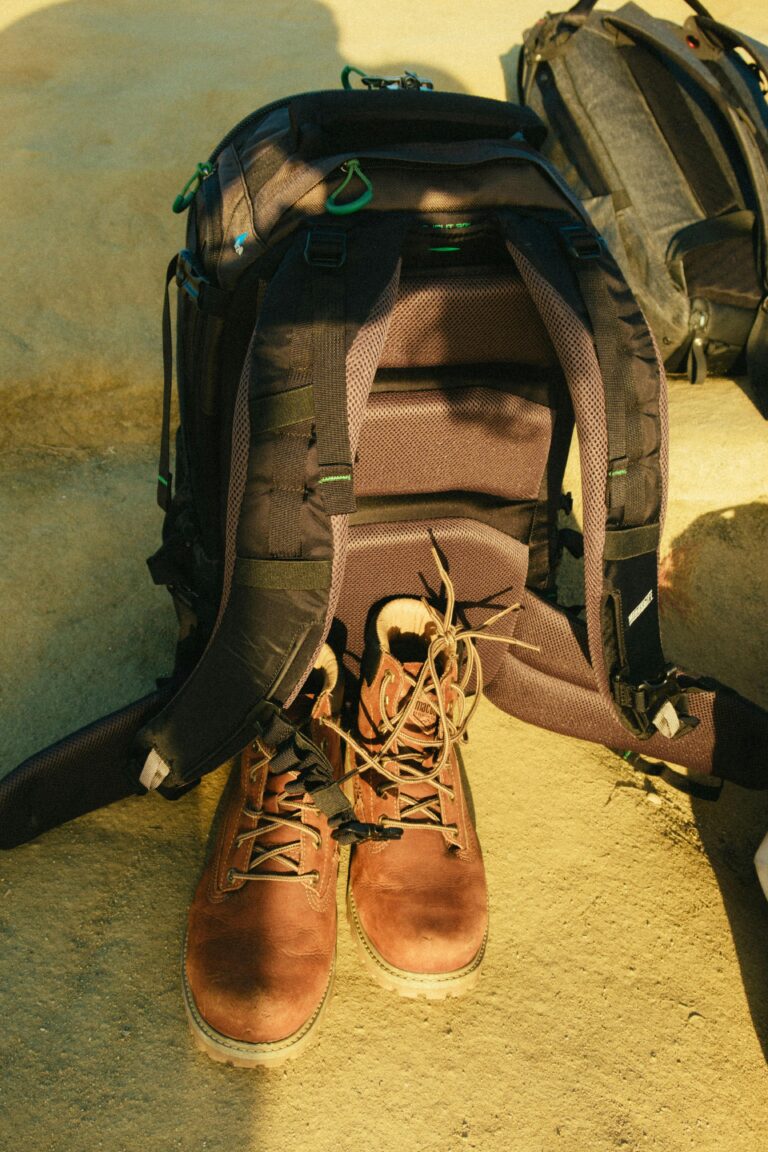
I started my Camino Português in Timberland waterproof boots. By the midpoint, I’d abandoned them in favour of a pair of ASICS trail runners I picked up from a shop along the route. The difference was immediate and dramatic – lighter, cooler, drier, and significantly fewer blisters. I finished the Camino in those ASICS and haven’t looked back since.
So here’s my honest guide to choosing your Camino de Santiago shoes. Footwear is the single most important decision you’ll make when packing for the Camino de Santiago. Get it right and you’ll barely think about your feet. Get it wrong and it becomes the defining experience of your walk – and not in a good way.
The Waterproof Boot Myth
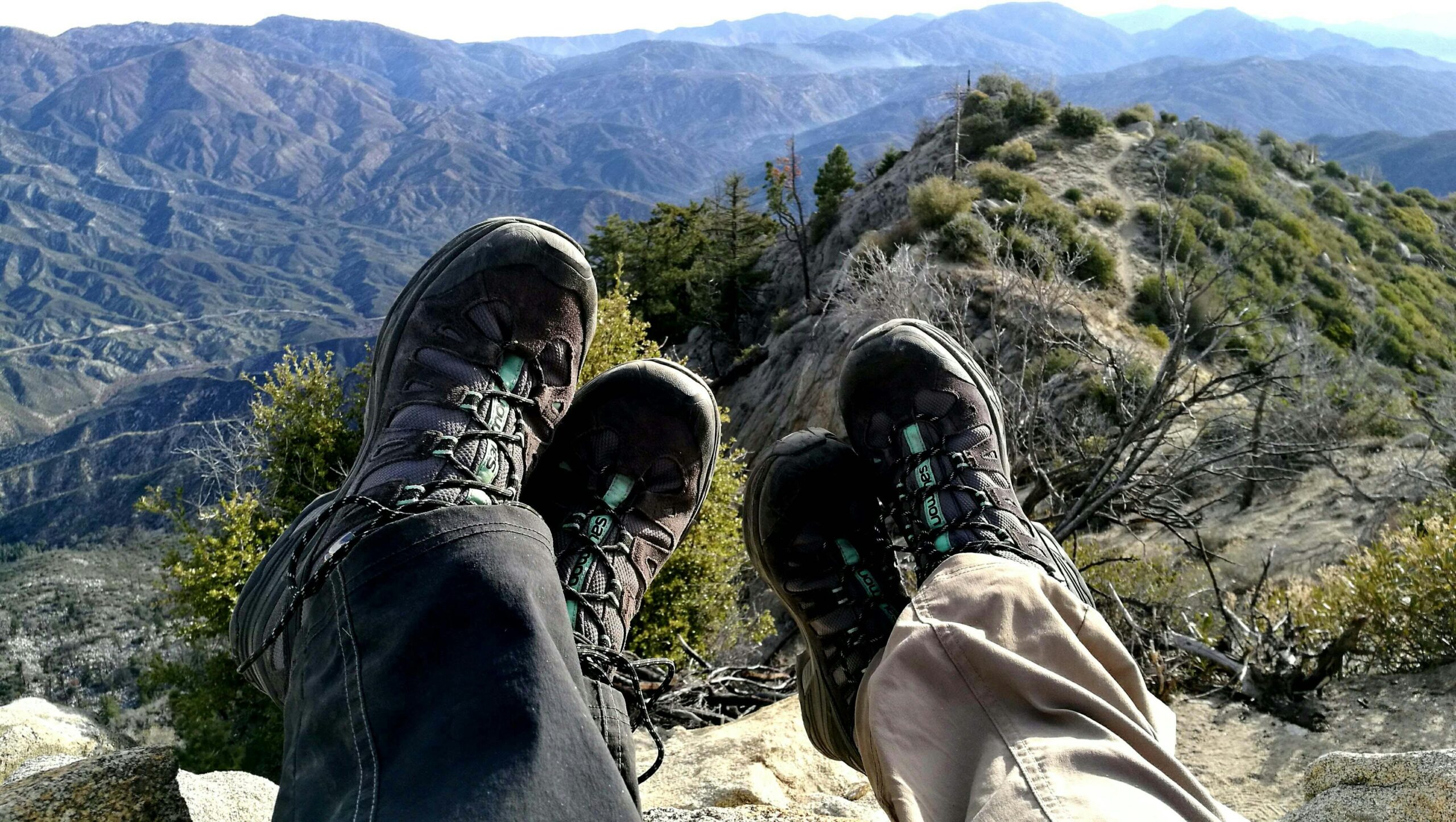
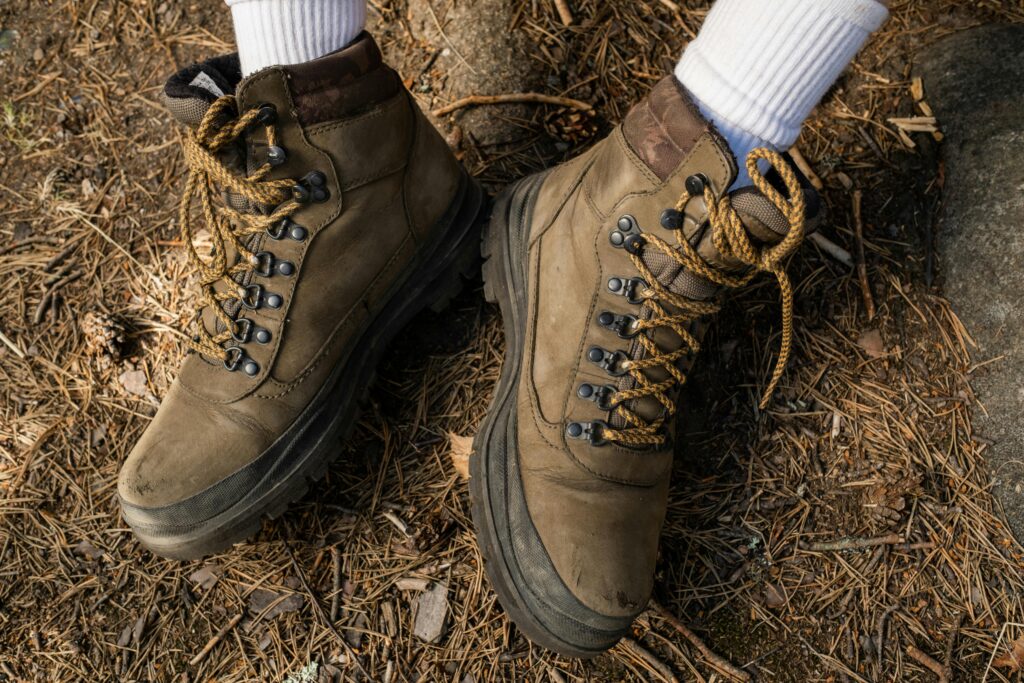
Waterproof hiking boots are the most commonly recommended Camino de Santiago shoes – and in my opinion, usually the wrong choice. Here’s why:
- They trap heat and moisture from within. Your feet sweat. Waterproofing that keeps rain out also keeps that moisture in, which is a significant blister risk on long daily walks.
- They take days to dry when wet. On a route as rainy as the Português or the Norte, wet boots that won’t dry overnight are a serious problem.
- They’re heavier. Over 20–30km a day, the weight of your shoes matters more than you’d expect. Every extra gram costs you.
The one exception: if you’re walking in deep winter on a route with genuinely snowy or very muddy mountain terrain – the Francés over the Pyrenees in January, for example – waterproof boots would make sense. For most pilgrims on most routes and seasons, leave them at home.
Why Trail Runners Are the Better Choice
Light trail runners are almost universally preferred by experienced pilgrims – and for good reason. They breathe, they dry fast, they’re lighter on your feet, and they handle the Camino’s mix of paved roads, gravel paths, and forest tracks without any trouble. The Camino Português, for instance, is predominantly paved – you simply don’t need the grip or ankle support of a heavy boot.
Some recommendations at different budgets:
- Budget: ASICS Gel-Venture 10 – affordable, cushioned, widely available. These are the exact shoes I finished my Camino in.
- Mid: Altra Lone Peak 9 – zero drop with a wide toe box that accommodates foot swell beautifully. A genuine thru-hiker favourite.
- Luxury: Hoka Speedgoat 6 – maximum cushioning for long daily distances. Worth it if your joints complain on hard surfaces.
For more gear recommendations at every budget, check out our Camino de Santiago Packing List: The Definitive Guide
Don’t Underestimate Trekking Sandals
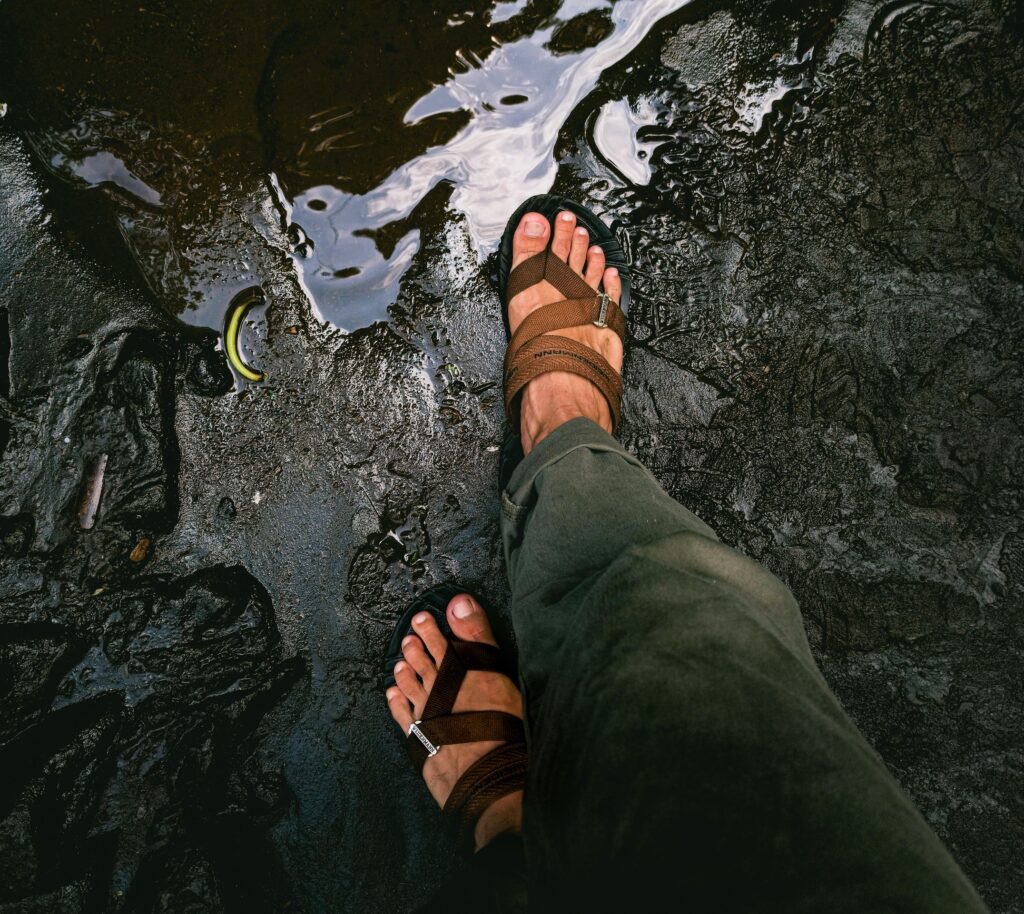
A pair of trekking sandals is one of the most underrated items you can pack. On well-paved sections, switching into sandals gives your feet a chance to breathe and decompress – which makes a real difference over a two-week walk. They also double as albergue shoes and shower footwear, saving you from carrying a separate pair of flip-flops.
The Teva Hurricane XLT2 is the Camino standard – solid traction, quick-drying straps, adjustable fit, and durable enough to last the whole route. The Chaco Z/Cloud is worth the upgrade if you need more arch support.
Size Up – and Test Walk Before You Go
Two things that every experienced pilgrim will tell you, and that first-timers almost universally ignore:
- Size up half a size to a full size. Your feet will swell – this is inevitable – usually by the afternoon of your first long day. Shoes that fit perfectly in a shop will feel tight by day three.
- Do a 20–30km test walk before you leave. Wearing the shoes and socks you plan to bring. Any hot spots or pressure points will reveal themselves immediately – far better to find out at home than on day two of the trail.
What About Ankle Support?
High boots marketed for ankle support can actually impede natural ankle movement on long walks, leading to irritation rather than stability. If you genuinely need ankle support – due to an old injury or instability – a dedicated ankle brace from a pharmacy is a smarter, lighter solution. Pharmacies appear with reassuring regularity on all major Camino routes and you can easily grab one along the way.
Read Next
- Camino de Santiago Complete Beginner’s Guide
- How Much Does the Camino de Santiago Cost?
- Camino Português — Everything You Need to Know
Buen Camino. 🌟